
One window, two customers
Stand at the curb and a bus window looks like a fine place to finish a photograph. Take the seat behind it on an unfamiliar route and that same rectangle is how you spot the pharmacy where you need to pull the cord. The advertiser gets to approve the photograph. Who gets to approve the view from the seat?
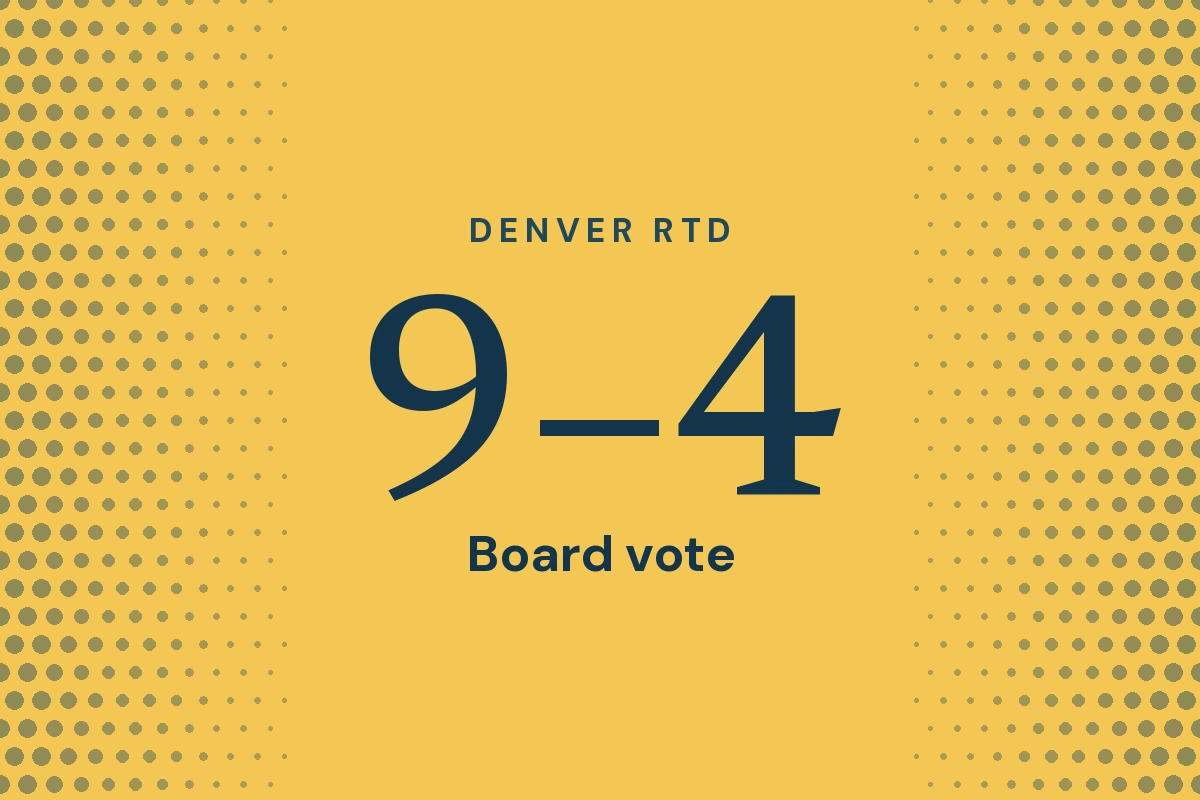
Denver’s Regional Transportation District drew the line at the glass. On October 28, 2025, its directors voted 9–4 to keep commercial ads off bus and train windows under advertising agreements made after January 1, 2026. Existing wraps could stay until their agreements expired. As of November 23, 2026, RTD’s published policy still excludes every part of a revenue-service vehicle’s windows from commercial ad space. Riders who campaigned for the change cited a practical reason. Seeing the street helps them recognize their stop.
Sources · RTD’s account of the vote · RTD commercial advertising policy · Greater Denver Transit’s rider campaign
How much extra money did the window ads bring in?
The best argument for selling the space comes from RTD’s own books. Wraps covering some window area brought in about $786,000 in gross advertising revenue from April through September 2025, or 42% of all gross ad revenue RTD collected in those six months. The agency uses its vehicle advertising income to support operations.
Source · RTD’s six-month revenue figures
That figure is what advertisers paid for the whole ad, including the sides of the bus. How many of those buyers would have paid the same rate for a good design below the windows? How many would have walked?
If both options are available, ask for two prices for the same buses and dates. In one, the windows stay clear. In the other, the ad covers the glass. Subtract commissions, production and removal from each bid. The difference tells the fleet what it would give up to leave those windows clear.
Give a rider the window seat
In Ithaca, New York, the argument played out in a single committee meeting. In July 2025, Tompkins Consolidated Area Transit staff said they would continue selling full wraps that used perforated film on the windows. The agency kept half the ad revenue and staff recalled only two or three past complaints. Julie Weaver, one rider who had complained, suggested leaving the lower part of the window clear where passengers look out.
Source · TCAT Riders’ Advisory and Accessibility Committee minutes, July 14, 2025
A shuttle fleet can try Weaver’s idea on one vehicle. Take a rider along at dusk, sit where the artwork crosses the glass and ask them to point out the next stop. If your sponsor’s name is legible from across the street, should the rider behind it be able to read the street sign?