
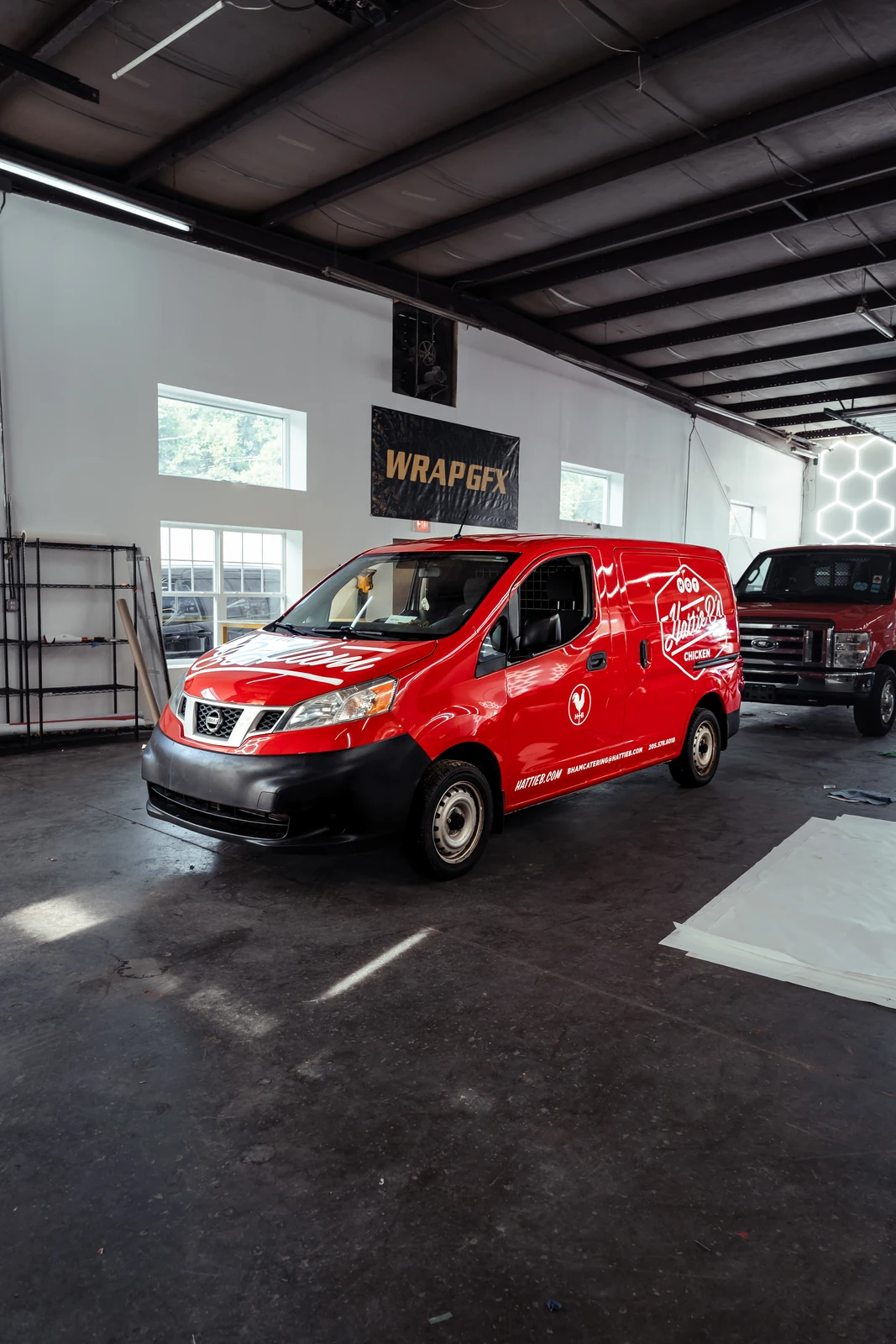
One shop might include old-wrap removal in its price. Another might charge for it later. Give both shops the same vehicle list and a drawing of the panels to wrap. For each item, ask what it costs, whether another line covers it or whether the shop left it out.
What does the price include?
3M's total-cost framework considers film selection, production, installation, removal and warranty. Its production category includes work such as design, printing, color matching, graphic protection and shipping. This is a useful prompt to look beyond the initial graphics price, although it does not establish a standard market rate.
Create a comparison with these lines: artwork and setup; printed graphics and laminate; installation; existing graphic removal; shipping and travel; project coordination; and optional or excluded work. Ask each supplier to place its price against those lines or identify what its bundled price includes. Keep taxes visible as a separate assumption.
Sources · 3M
Ask each shop to price the same work
Give each shop the same vehicle list, marked-up drawings and work locations. Ask for the names of the vinyl and clear protective layer, the proposed dates, and anything you must do to prepare the vehicles. Show quantity by vehicle class. If a supplier proposes an alternative, ask for the original scope and the alternative to be priced separately so the tradeoff is clear.
Record assumptions in plain language. Does the price assume clean original paint? Are existing decals being removed? Are roof graphics included? Are vehicles delivered to a shop or handled at a depot? An unanswered scope question is more useful than an apparently precise total built on different assumptions.
Budget for the work around the wrap
A wrap shop’s invoice won’t show what it costs you to move vans, arrange a spare, collect keys or inspect the work. Add those costs to your comparison.
Use the jobs your own drivers would lose if a van were late. An industry average may assume a different route, vehicle or shift.
Choose a contingency based on unresolved items in your project. Keep it separate from quoted work. A contingency is a planning reserve, not an automatic supplier charge. When a question is resolved, update the underlying cost rather than leaving both the estimate and a duplicate allowance in place.
Ask what it will cost to remove the wrap
Removal deserves its own scope, particularly when existing graphics or repaired paint are involved. Arlon's removal guidance notes that repainting and other surface conditions can affect removal outcomes, and explicitly limits its procedure to Arlon films. Ask for a product-specific approach and an agreed method of pricing uncertain removal work.
Compare the final proposals by total scope, exclusions and responsibility. Keep the chosen quote, its assumptions and the approved artwork together. That makes later additions easier to price and gives the next purchasing decision a useful record of what the previous project actually required.
Sources · Arlon
Ask for the coverage you need
A service-business owner in r/signshop wanted legible lettering on a truck and asked about turnaround after seeing full-wrap pricing. If identification is the job, a door-and-rear lettering package can be a valid bid request. For a rebrand with more extensive coverage, attach a separate panel drawing and ask each vendor to quote that same option.
For a mixed fleet, request a base price by body style. Separately price options such as a liftgate decal or a regional phone number. TurnPoint used a similar base-and-options approach to standardize service-vehicle upfits across trades. Applying that purchasing method to graphics makes branch exceptions visible.
Sources · r/signshop · Automotive Fleet
What one transit agency asked its wrap shop to do
In its 2025 wrap solicitation, Trinity Metro specified seven vans and six buses, assigned removal of existing wraps, required a 24-hour installation window per vehicle and reserved its own final inspection. It also asked for at least three years of material and labor coverage. Those figures belonged to that contract.
For your purchase, write down the unit class, removal responsibility, allowable time away, who accepts the work and who pays labor on a claim. Ask for a rate or a written exclusion wherever the responses differ.
Sources · Trinity Metro
Before you proceed
- Did every shop price the same vehicles, panels and work locations?
- Did each shop name the vinyl and protective layer?
- Can you find the prices for design, printing and installation?
- Which quotes include old-wrap removal, travel and shipping?
- Did you count tax and the work each vehicle will miss?
- How much money are you setting aside for surprises?
- Who approves extra work, and how will the shop price it?
Sources & further reading
- 3M: Evaluating total cost of ownership
- Arlon: Fleet & Vehicle Wrap Removal, Technical Tip 44
- Service-business owner weighs truck lettering (2026)
- How TurnPoint standardized upfits across acquired service fleets (2026)
- Trinity Metro IFB 25-T027, scope of work on page 13 (2025)
Practical planning recommendations by VehicleGFX. Technical claims link to the manufacturer or credential issuer. Check the current product documents for your application. Published by Wrap GFX.